October 29th, 1918 Rochester and the Influenza pandemic

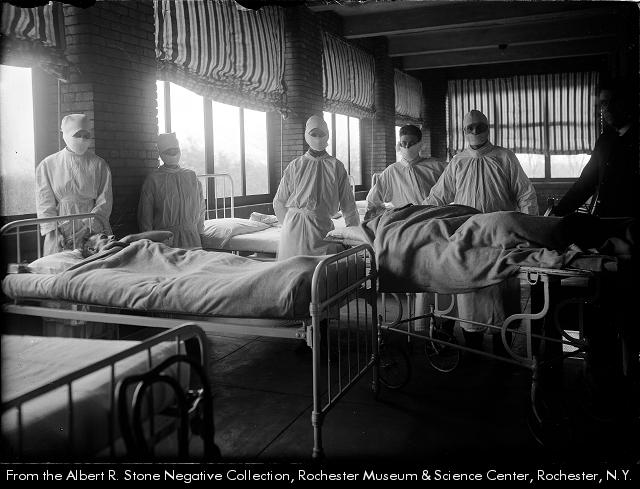
1918 porch of Rochester General

The porch at Rochester General Hospital

In Chicago, the navy moved forward to fight fake news conspiracies, and could do so more readily because they were deemed to be “enemy-conceived yarn”

1918 was also an election year.  The paper reported a list of nominations from the following political parties: Republican, Democratic, Socialist, Prohibition, and the Social Labor Party.

In Rochester, there were 373 new cases and a total of 10,076 cases. There were 28 deaths from influenza, with a total of 347 deaths in the City. There were 8 deaths from lobar pneumonia, contributing to a total of 98 persons dying from pneumonia. There was 1 death from bronchial pneumonia. The youngest were: 4-month-old Bogdan Givinski; 11- month-old, Saverio Lucchese; and 1-year-old Nicola Naeca, and Mafaldo Borelli, and Edna Repp.

A new emergency hospital was opened at the Gannett House.

Salonkeepers and Hotel Men were ordered to stay closed their barrooms.

A 47-year-old man, Fred Ernst, who was “despondent because of a severe attack of influenza” attempted suicide in his room in a house where he boarded by turning on the gas. The other boarders smelling the gas burst open the door and saved him.

Schoolboys were beginning to return from the various farms where they had been working.

Members of the Monroe County Home Defense were ordered to the Red Cross Headquarters to work as drivers and to provide other services.

A home at 141 South Fitzhugh Street was turned into a children’s emergency home for children whose families were temporarily unable to take care of them due to the illness. The home opened that day and there were already about a dozen children in the house. One story told involved two children 5 and 7 who nurses found when their parents were too ill to take care of them. The staid during the day with a policewoman who brought them to the home that evening.


© words by Daniel DeMarle 5/12/2020


America 1918 and 2020

We have been here before and while millions died our country survived. It can happen again. Reading the daily newspapers from October of 1918. Our country was fighting World War I. Women were fighting for the right to vote. We also were fighting the influenza pandemic. In Rochester, young men and women were serving selfishly overseas.  In Rochester, dozens of people were dying a day from the influenza epidemic. The Red Cross, which was largely a woman’s organization, was leading the fight to save lives. They were working with male allies and largely male organizations to do this.
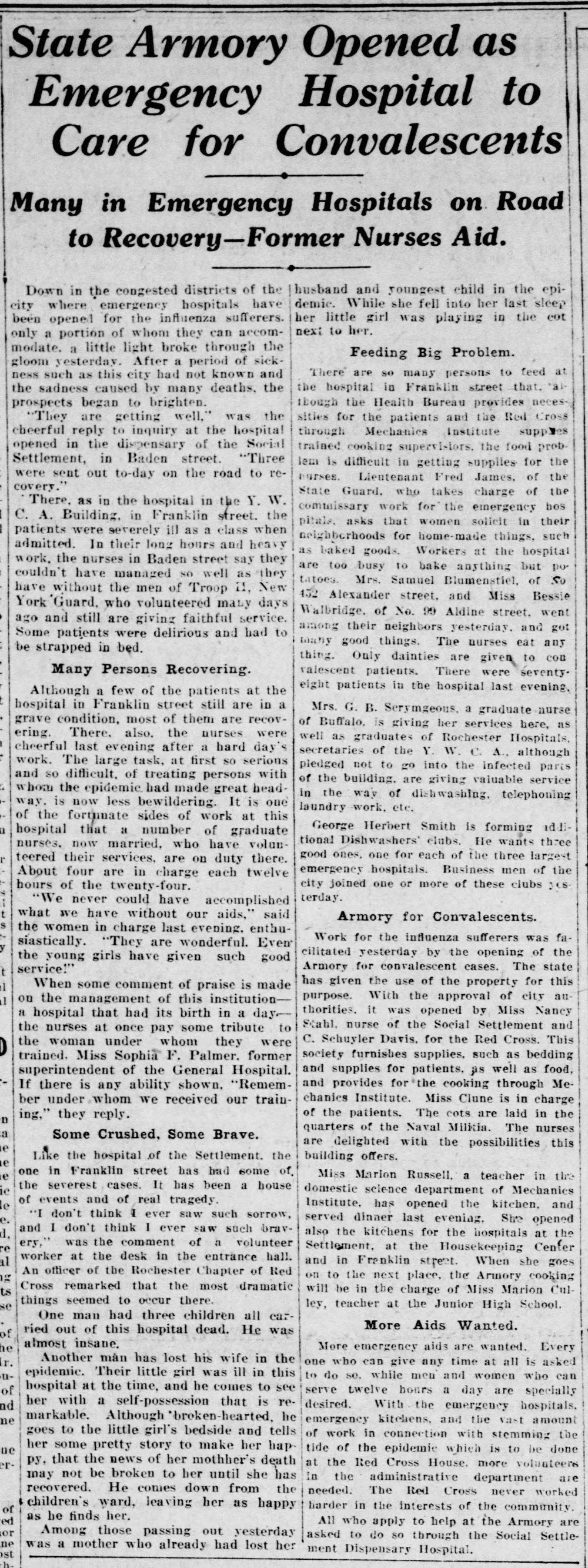
This is an excerpt from the paper on 10/30/1918.
 
“One man had three children all carried out of the hospital dead. He was almost insane.
Another man has lost his wife in the epidemic. Their little girl was ill in this hospital at the time, and he comes to see her with a self-possession that is remarkable. Although broken-hearted, he goes to the little girl’s bedside and tells her some pretty story to make her happy, that the news of her mother’s death may not be broken to her until she has recovered. He comes down from the children’s ward, leaving her as happy as he finds her. 
Among those passing out yesterday was a mother who already had lost her husband and youngest child in the epidemic. While she fell into her last sleep her little girl was playing in the cot next to her.”
 
So America has been here before. This is not a new tragedy. It is survivable. While too many individuals are dying, America can work its way through this, but this will only be if we work on this together. America was largely united in 1918. That does not mean that there was no politics. In fact, 1918 was a national election year. There were five major parties fielding candidates in NY. But there was a common purpose. We can have that again. We need that again. So let’s stop playing the political game. Let’s start focusing on what unites us, instead of what divides us. Let our politicians know that we demand better from them, no matter what their party. Let’s remember that we are Americans. Those families in 1918 should inspire us, and we should be able to make them proud.
1918-10-30 Deaths Democrat_and_Chronicle_Wed__Oct_30__1918_
© words unless in quotations by Daniel DeMarle 5/12/2020

October 28th, 1918 Rochester and the Influenza pandemic

1918-10-28 Steamshovel Democrat_and_Chronicle_Mon__Oct_28__1918_

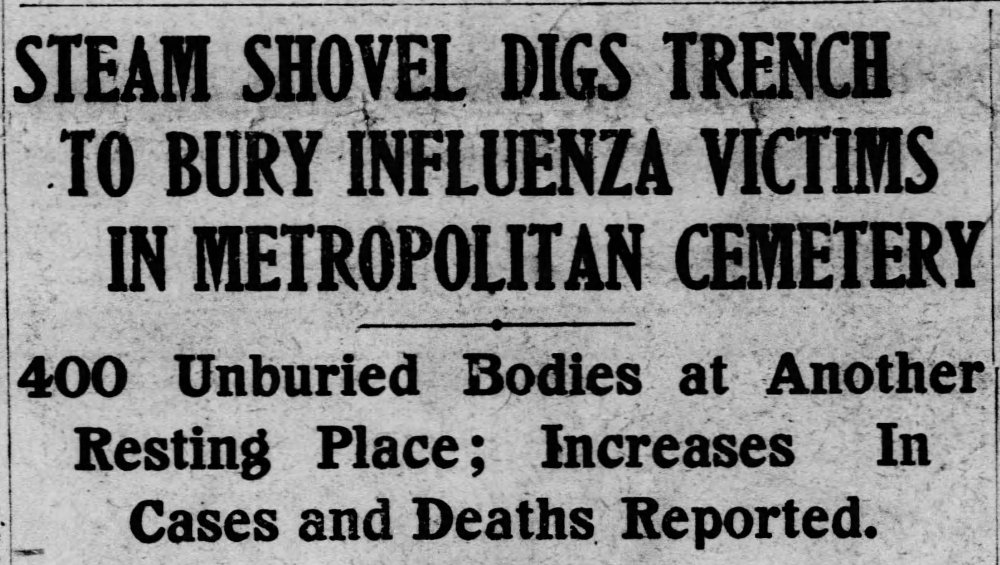
In New York City a steam shovel was used in one of NY’s cemeteries to dig a trench in which to later temporarily keep the bodies of influenza victims. At another cemetery there were 400 bodies waiting for laborers to bury them. Laborers were being drafted for that purpose.

In Rochester, there were 602 new cases and a total of 9,703 cases. There were 21 deaths from influenza, with a total of 319 deaths in the City. There were 4 deaths from lobar pneumonia, contributing to a total of 90 persons dying from pneumonia. There was 1 death from bronchial pneumonia.  The youngest were: 2-month-old Assunta Lambrina; 8-month-old Harry Damaschke; and 1-year-old Tilly Lovinger, and 1-year-old, Maria Delconte.

A new home at 114 South Fitzhugh Street was being opened by the Red Cross as an emergency home for children from houses in which persons were ill with influenza.

So many seamen were ill at the Charlotte Coast Guard STation that they needed to bring in staff from Niagara and Oswego.


© words by Daniel DeMarle 5/10/2020

October 27th, 1918 Rochester and the Influenza pandemic

1918-10-27 1918 Influenza deaths and total cases 1918-10-27 Avoid Sure cures Democrat_and_Chronicle_Sun__Oct_27__1918_

In NY City more 100,000 people had been ill within the past 6 weeks and over 12,000 had died.  There were 8 times as many influenza cases as there were pneumonia cases.  In NY City there were doing house to house canvassing to find cases.

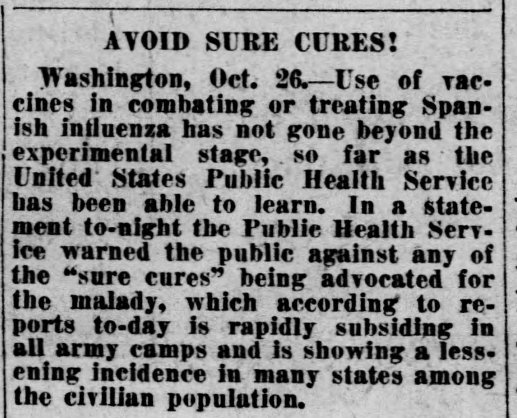
Washington issued warnings about any “sure cures” as there were none currently. It was noted that there were several vaccines being tested but that any results so fare “do not permit any conclusion.”

American’s were ending the first-ever daylight savings time.

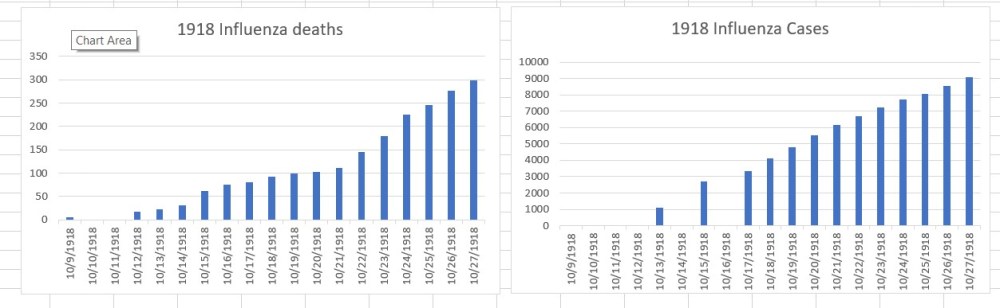
In Rochester, there were 553 new cases and a total of 9,101 cases. There were 22 deaths from influenza, with a total of 276 deaths in the City. There were 5 deaths from lobar pneumonia. The youngest were: 1-day-old Baby De Carolis (and her mother 29-year-old, Devode De Carolis); 7-month-olds: Salvatorice Delconte, Christina Larone, and Gaetano Antinoro; 1-year-olds: Florence Casey and Vito Presbarge; and 2-year-old Nicholas Capellupo.

Two nurses were stricken at St. Mary’s Hospital, making seven nurses now ill with the disease.

More beds were being added to the emergency hospital at the YWCA. These included 25 beds and there would soon be 24 children’s cots.

At the hospitals only emergency surgeries were being conducted all other nonessential procedures were put on hold.

The Red Cross added two trucks to its motor corps, which was now operating dozens of machines.

Nurses who had been working almost without stop were in some cases becoming ill and more men and women were needed.

It was proposed that houses with influenza in them, be posted with signs stating “Keep put. By order of the Health Bureau.”  There were concerns that many immigrant families would not go to the hospital when they were ill.

There was a call for more cars to help bring nurses and supplies to sick and ill families.

1918-10-27 red cross needs Democrat_and_Chronicle_Sun__Oct_27__1918_


© words by Daniel DeMarle


October 26th, 1918 Rochester and the Influenza pandemic

1918-10-26 1918 Influenza deaths and total cases

In NY City the Mayor called to draft men with picks and shovels to bury the dead.  There had been 500 persons arrested for spitting in public.

In Rochester at the Baden Street Emergency Hospital State Guardsmen were serving 8-hour shifts as nurses aides.  Local families were taking in orphaned children.

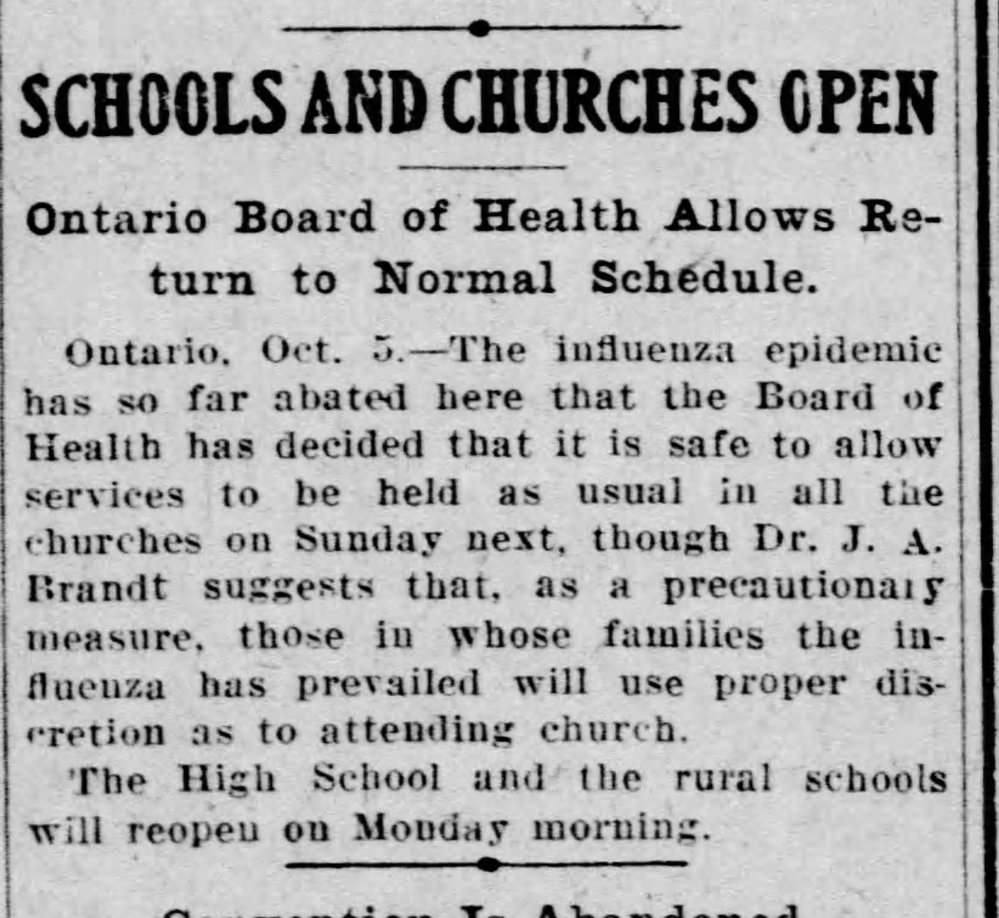
It was ordered that Schools would not reopen on the following Monday. Meanwhile, in Ontario, it was ordered that church services and Schools could reopen.

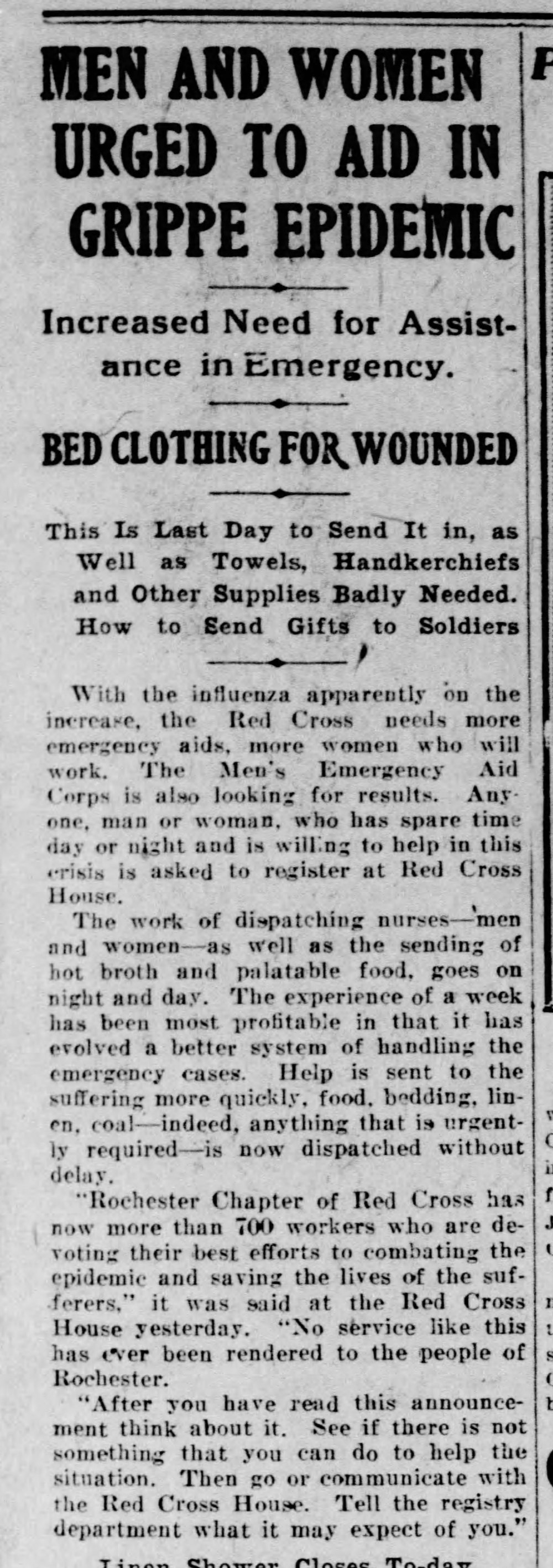
In Rochester, more drivers and nurses were needed. It was reported that many volunteers were working during the day and then coming directly to work to go to houses to nurse families until 11 or 12 at night, at which point they were taken home.

In one house, the “there had been three deaths, those of the father and two children, and all that were left of the family were in bed sick, so no lone was left to do anything.”

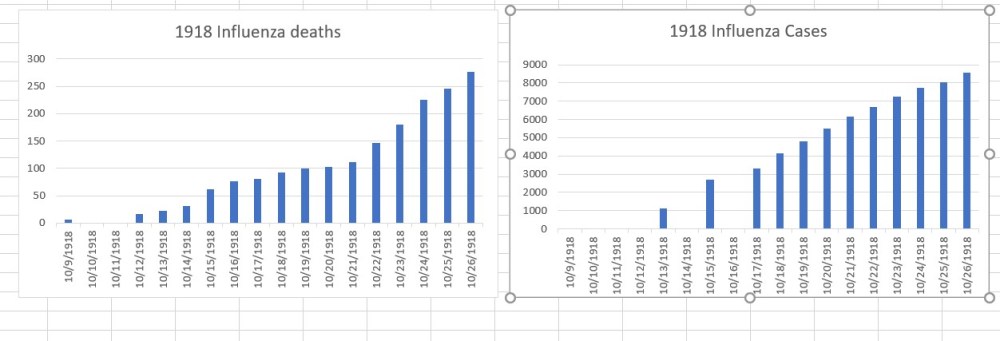
In Rochester, there were 501 new cases and a total of 8548 cases. There were 31 deaths from influenza, with a total of 276 deaths in the City. There were 59 deaths from lobar pneumonia and 26 from bronchial pneumonia too date. The youngest were:  4-month old, Guisseppina Buongugliermo, and 6-month old, Albert Schenk.


1918-10-26 Ontario reopens Democrat_and_Chronicle_Sat__Oct_26__1918_1918-10-26 Red Cross needs more help Democrat_and_Chronicle_Sat__Oct_26__1918_


© words by Dan DeMarle 5/7/2020

October 25th, 1918 Rochester and the Influenza pandemic

1918-10-24 Sanfrancisco must wear masks Democrat_and_Chronicle_Fri__Oct_25__1918_

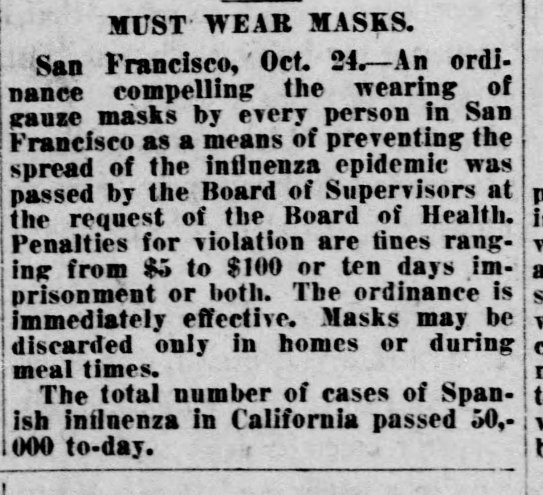
In San Francisco, it was now illegal to not wear a maskin in public.  The fees ranged from $5 to $100 dollars or ten days in jail, or both.  $5 in 1918 would now be $93.78, and $100 in 1918 is now equal to $1,875.72.

In NY City, the first landlord arrested for not providing heat was going to court on the 25th.  Price gauging was reported to be a serious issue particularly related to lemons and limes which were recommended for the treatment of influenza.  A national price was being set to only allow $.02 profit ($.38 cents today).

There were concerns over a national coal shortage due to the lack of available men tied to both the War as well as to the number of miners who were sick with influenza.

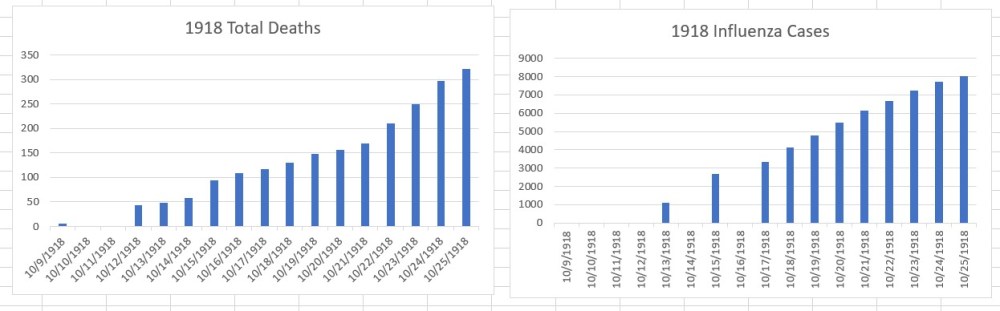
In Rochester, there were 322 new cases and a total of 8047 cases. There were 45 deaths from influenza, with a total of 245 deaths in the City. There were 51 deaths from lobar pneumonia and 26 from bronchial pneumonia too date. The youngest were: 1-year-olds Maria Pernicano, Angelo Bugio, and Guiseppe Salamoni, and 2-year-olds Robert Waiter.

The new emergency hospital at the Housekeeping Center on Lewis Street was now open and was already very busy.

1918-10-25 1918 Influenza deaths and total cases


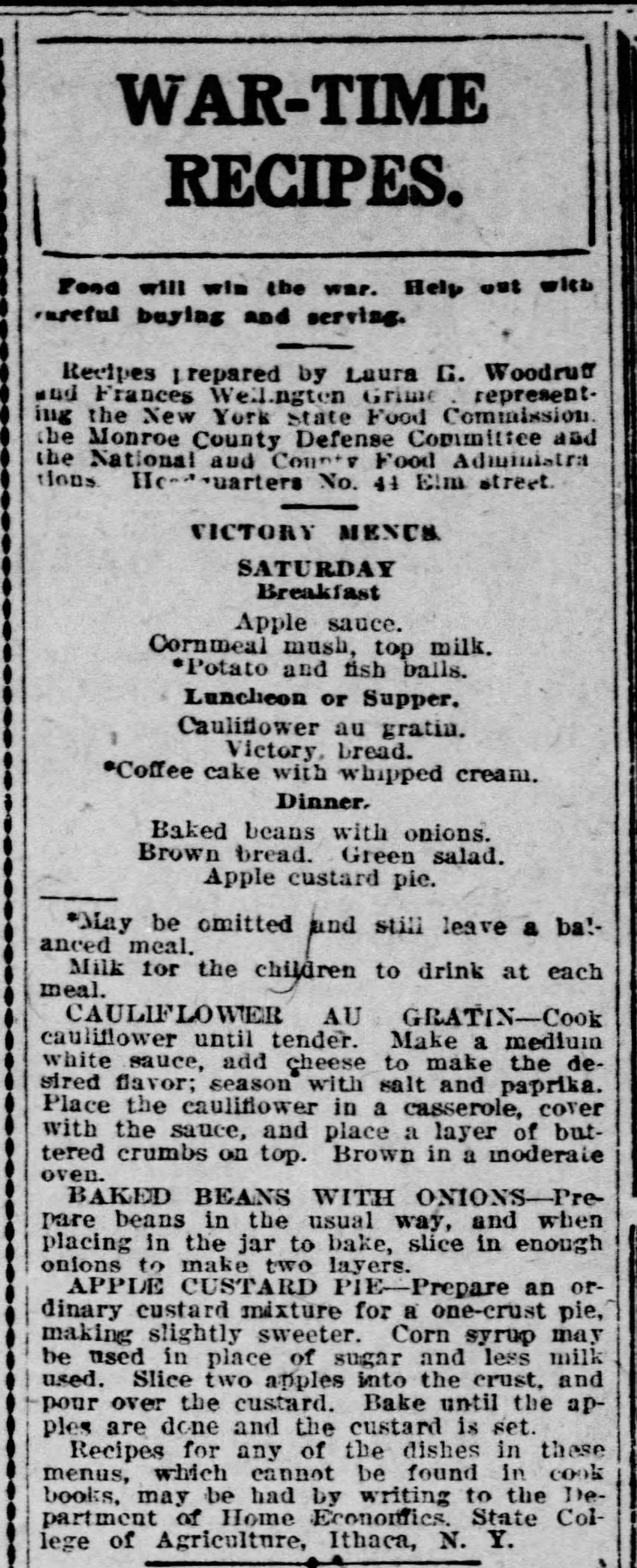
World War 1 cooking recipes

1918-10-25 World War 1 cooking recipes Democrat_and_Chronicle_Fri__Oct_25__1918_


© words by Daniel DeMarle 5/7/2020

October 24th, 1918 Rochester and the Influenza pandemic

1918 mens flu ward

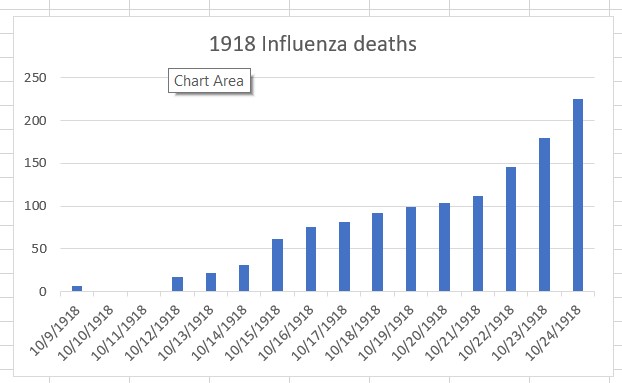
In Rochester, there were 488 new cases and a total of 7,237 cases. There were 45 deaths from influenza, with a total of 225 deaths in the City. There were 72 deaths from lobar pneumonia too date. The youngest were: 6-month-old Guiseppe Giglio, 10-month-old, Mildred Schoeffler, 1-year-olds Mary Zachorhue, Ducille Leippe,  Venere Cassera, Mary Wasoska, and Eileen Holenstein, and 2-year-olds, Luigi Monticelli, and Annie Vitale. One year old, Guiseppe’s family also had to deal with the death of his father, 35-year-old, Alfonso Gigillo.  At the Hahnemann Hospital on the 23rd six members of the same family were admitted.

1918-10-24 1918 Influenza deaths


© words by Dane DeMarle 5/6/2020
 

Modeling Covid-19 deaths.

IHME model 4-30-2020

Model on 4/30/2020

IHME model 5-6-2020 predictions for 5-15-2020

Model on 5/6/2020

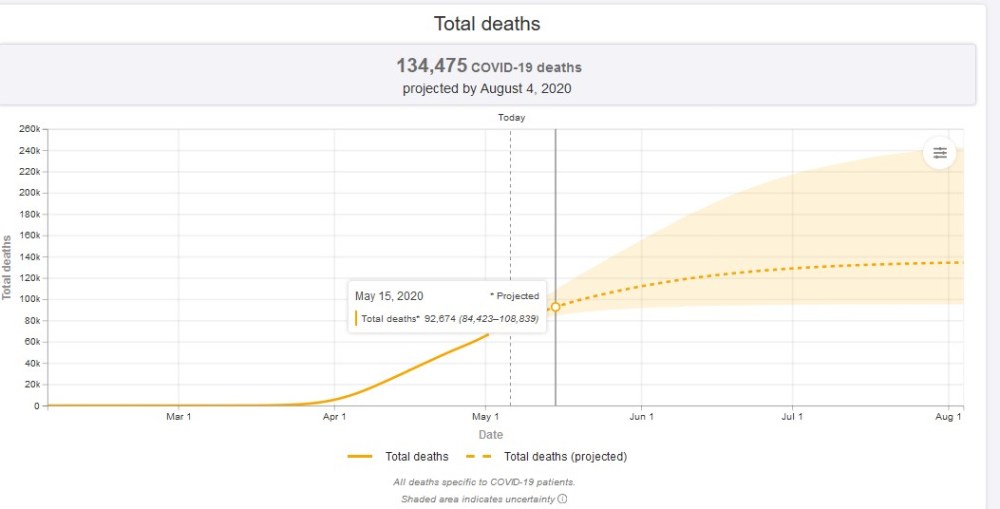
The main model that the Trump Administration is using to predict COVID-19 deaths has changed significantly. This is occurring as the Trump Administration has stated that it wants to close the COVID-19 task force. The model on 4/30/2020 predicted that on 8/4/2020 there would be 72,433 deaths is now predicting 134,475 deaths by that same date. On May 15th it predicted 70,444 deaths (a figure that will be met today) and it now predicts 92,674 deaths by that same date.
 
© words by Dan DeMarle 5/6/2020

October 23rd, 1918 Rochester and the Influenza pandemic

1918-10-23 Whiskey fights gripe Democrat_and_Chronicle_Wed__Oct_23__1918_

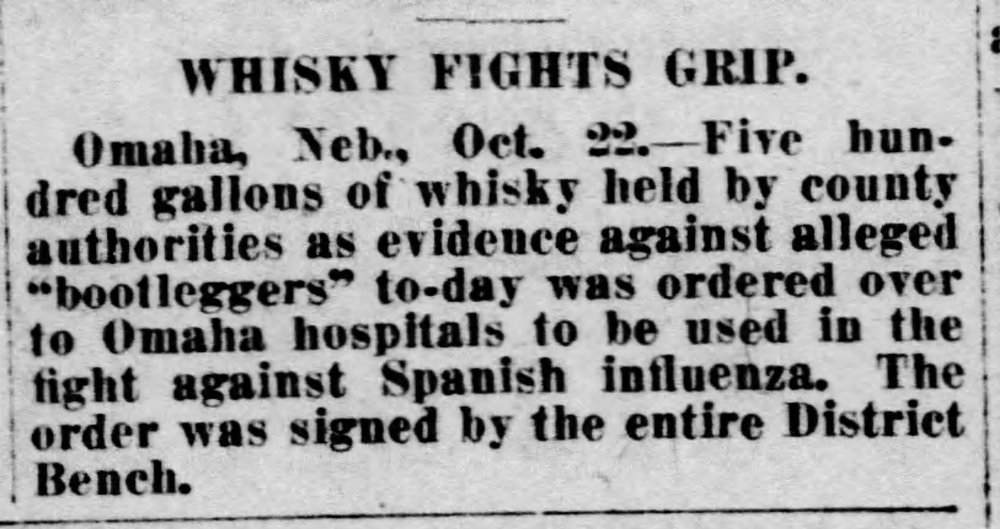
In NY City half of the public phonebooths were turned off because 2,000 or 25% of the operators were ill due to the influenza epidemic.  In Omaha Nebraska, a judge ordered 500 gallons of whiskey taken from bootleggers was ordered over to Omaha hospitals to be used in the fight against influenza.

In Rochester, there were 547 new cases and a total of 7237 cases.  There were 34 deaths from influenza, with a total of 180 deaths in the City. There were 4 deaths from lobar pneumonia.  The youngest were: 4-month-old, Margaret Griffith, 1-year-old Vinziniano Ladadia, 2-year-old Vincenno Carapecca, and 4-year-old, Joseph Giali.

There were plans to convert, Convention Hall annex into a 200-bed hospital if needed. There were also plans to open a hospital in the Housekeeping Center in Lewis street.


1918-10-23 Red Cross work Democrat_and_Chronicle_Wed__Oct_23__1918_


© words by Daniel DeMarle 5/5/2020


October 22nd, 1918 Rochester and the Influenza pandemic

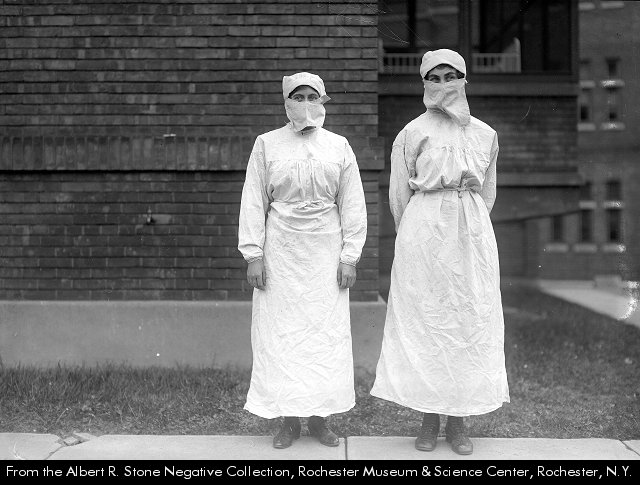
1918 nurses

Washington reported that there was an improvement in 6 States that 27 other States still saw ongoing spread of the disease.  A possible vaccine was reported in Toronto. Boston was easing up on restrictions as cases were abating.

In Mt. Morris due to the number of deaths and the lack of labors “it was found necessary yesterday to excavate graves in the same manner that basements are made for buildings, with a team and scraper, and in a number of instances several bodies have been placed in one large grave.”  The paper reports that in one case the death of both parents left 5 siblings orphaned.

In a very clever advertisement overly stressed and overworked woman at home and on the front were told the cure for this was a new pair of shoes.

In Rochester, there were 42 new deaths, 34 from influenza and 8 from pneumonia with a total of 146 deaths for the month. These included 16-year-old Myron Deverell from 382 Sawyer St and 30-year-old Albert Weeks from 130 Post Avenue. The youngest from influenza was 3 year old, Lina Marchese of Oak Street. The youngest from bronchial pneumonia was 1 year old, Harry Broskey. There were now nearly 7,000 cases in the City after 550 were reported the day before.

Both the Convention Hall and the State Armory were ready and prepared to be turned into emergency hospitals if needed.

A pneumonia vaccine was reported to be ready.  The vaccine was made from cultures from NY City and mixed by Mrs. Dorothy R. Kraker, the city bacteriologist.

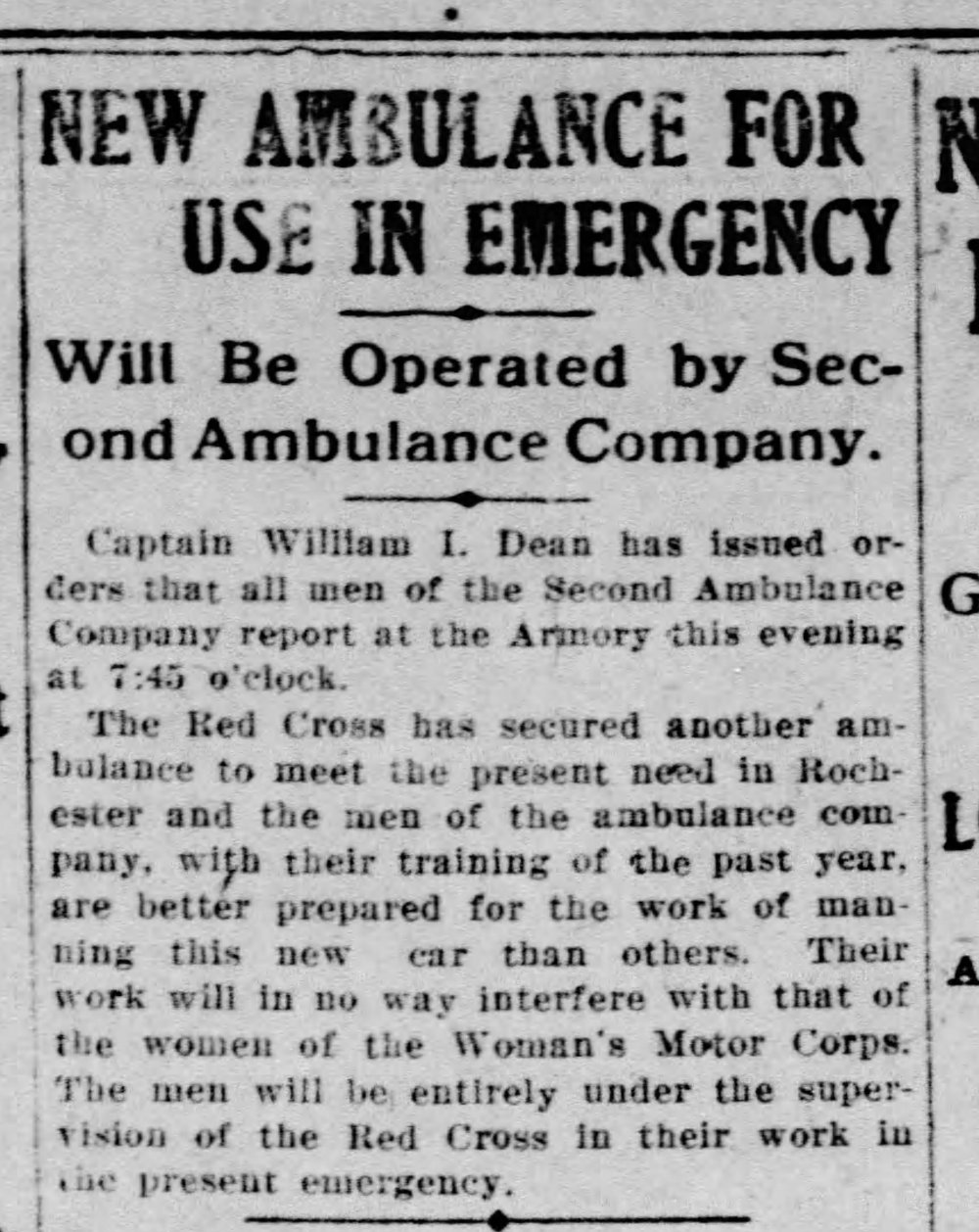
The Red Cross had obtained a new ambulance that was needed to meet the current needs.

The Red Cross was busy making masks and they were now available for anyone who asked. They continued to be busy bringing food to the needy.


1918-10-22 new ambulance Democrat_and_Chronicle_Tue__Oct_22__1918_ 1918-10-22 women buy shoes Democrat_and_Chronicle_Tue__Oct_22__1918_
  1. So who was Mrs. Dorothy. R. Kraker?  She is fascinating to me, as she was clearly a lady in the early Stem fields. Here are three articles.  Very sad that she was replaced by a non Dr. Male.


© words by Daniel DeMarle 5/3/2020